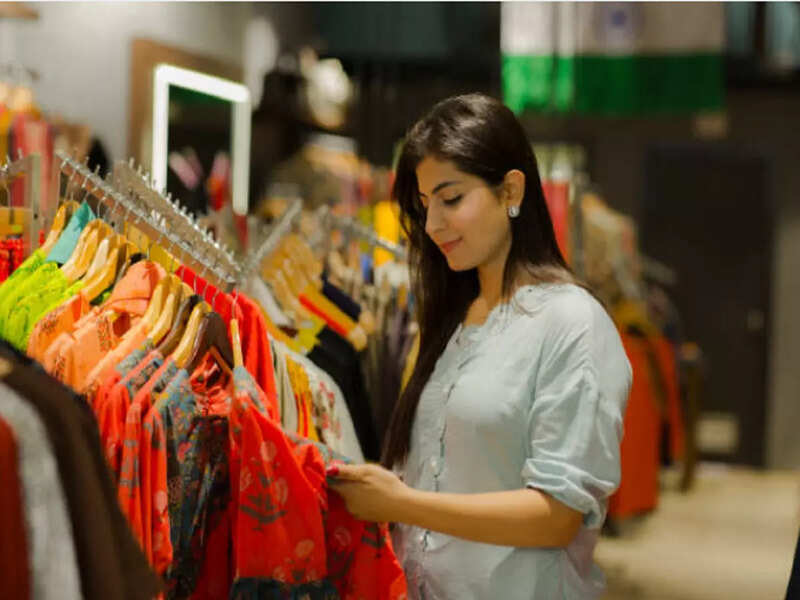
Luxury shopping is a lifestyle that symbolizes power, wealth, and exclusivity. For many people, the phrase “luxury shopping” brings to mind high-end designer brands and high-priced items. But luxury shopping is much more than clothing and accessories. High-end products are found across a plethora of industries such as automobiles, jewelry, real estate, and yachts.

The experience of luxury shopping is a sensory one, where everything from the environment, customer service, and products are of superior quality. High-end retailers create an atmosphere that enhances the aura of the brands they carry. The stores have an elegant and sophisticated design that reflects the exclusivity of the brand.
Luxury shopping brands aim to provide a personalized experience to their clients by offering one-on-one customer service options. Luxury retailers focus on individualized attention, catering to the customer’s specific needs and desires. Customers are not viewed as just casual shoppers but are considered patrons of the brand.
Personal shopping is a service that high-end retailers provide to their clients. Personal shoppers assist customers in navigating the store, presenting products that fit their interests, styles, and budgets. Personal shoppers also offer styling advice, create complete looks, and coordinate accessories to match.

Luxury shopping is often associated with designer clothing and accessories. Exclusive haute couture runway collections and well-crafted handbags are synonymous with luxury brands. Luxury brands like Gucci, Louis Vuitton, and Chanel are classic examples of high-end fashion.
However, luxury shopping has evolved to include other types of products such as automobiles. Luxury car brands are known for their high-end design, cutting-edge technology, and superior engineering. Brands such as Lamborghini, Rolls Royce, and Aston Martin have become the symbol of luxury in the world of automobiles.
Luxury shopping is also not limited to tangible products; it can also offer intangible experiences. For instance, luxury hospitality like high-end hotels, spas, and restaurants offer elevated services that cater to their exclusive clientele. The level of service, attention to detail, and quality of ingredients and products in these establishments are indicative of luxury culture.
Luxury shopping is all about exclusivity, attention to detail, and unparalleled quality. It represents a lifestyle that few can aspire to, but for those who can afford it, it is an experience like no other. Whether buying a high-end designer jacket or a sleek new car, luxury shopping is an art form that involves the senses and requires exceptional customer service. With the right combination of experience and products, luxury shopping can become a way of life.