
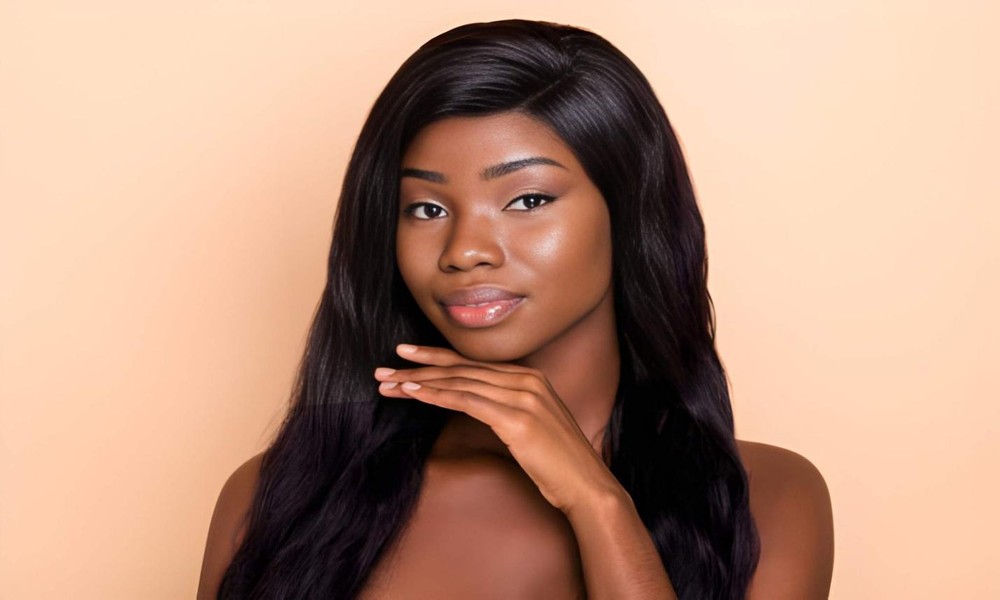
Protective styling is one of the most practical ways to enjoy beautiful hair while giving your natural strands a break from constant heat, pulling, and daily manipulation. For many Black women, extensions are not just about adding length or volume; they are about creating styles that feel realistic, support healthy hair goals, and fit everyday life. From polished weaves to easy clip-ins, full wigs, and flexible I-Tips, the right choice depends on your hair texture, your routine, and how much maintenance you want to commit to. When chosen carefully, extensions can help you enjoy silk press-inspired styles, kinky straight blowouts, defined curls, and fuller looks without overworking your own hair.
Choosing Extensions That Support Natural Hair
Textured and natural hair often needs styling options that respect its density, curl pattern, shrinkage, and delicate ends. This is why African American Hair Extensions should be selected with more care than simply choosing a pretty texture online. The best option should blend naturally, reduce stress on your real hair, and help you maintain a polished look without daily heat styling.
A good protective style should also work with your lifestyle. If you prefer a long-term style, a weave or wig may be ideal. If you like switching your look often, clip-ins may be easier. If you want movement with a more seamless finish, I-Tips can offer flexibility when installed by a skilled stylist. The goal is to choose extensions that protect, not overwhelm, your natural hair.
Weaves, Wigs, Clip-Ins, and I-Tips Explained
Weaves are a popular choice for women who want a fuller, longer-lasting install. They are usually sewn onto cornrows, which keeps most of the natural hair tucked away. This can help reduce daily combing and heat use, especially when the leave-out area is limited or properly protected. Weaves are great for vacation styles, work-ready looks, and fuller textured finishes.
Wigs offer one of the easiest protective styling options because they allow your natural hair to be braided underneath while the wig creates the finished look. They are especially useful for women who want to change between straight, curly, wavy, or kinky textures without committing to one install for several weeks.
For textured or natural hair, clip-ins are helpful when you want volume for a few hours or a few days without a full salon appointment. Curly Clip In Extensions can be especially useful when your goal is to enhance a twist-out, wash-and-go, half-up style, or fuller curly look while still keeping your own hair accessible.
I-Tips are individual strand extensions installed without braids or wefts. They can move more freely and create a natural-looking finish, but they require proper installation and maintenance. They are best for women who are comfortable with regular salon care and want a style that feels lightweight and flexible.
How to Match Texture, Quality, and Finish
The most natural-looking result usually comes from choosing a texture that works with your real hair, not against it. For example, kinky straight extensions can mimic a blown-out natural look, while relaxed straight textures can create a silk press effect. Curly and coily textures are ideal when you want volume, shape, and a softer natural finish.
Hair quality also matters. Human hair extensions that are soft, reusable, and carefully sourced tend to look better over time. A cheaper option may seem convenient at first, but it can tangle, shed, or lose its finish faster. For protective styling, the hair should be easy to maintain so you are not constantly brushing, pulling, or restyling it.
- Choose kinky straight textures for a blowout-inspired finish.
- Choose relaxed straight textures for a smoother silk press look.
- Choose curly textures for volume, softness, and movement.
- Choose wigs if you want full coverage and easy style changes.
- Choose clip-ins if you want temporary volume with less commitment.
Protective Styling Without Neglecting Your Hair
A protective style still needs care underneath. Your scalp should be clean, your braids should not be too tight, and your natural hair should be moisturized before installation. If the style causes pain, bumps, or tension around the edges, it is not protecting your hair properly. Comfort is just as important as beauty.
Maintenance depends on the method you choose. Weaves and wigs need regular cleansing and proper drying to avoid buildup. Clip-ins should be removed before sleeping unless they are specifically installed for longer wear. I-Tips should be detangled gently and maintained by a stylist to prevent matting near the roots.
It also helps to give your hair breaks between installs. During these breaks, deep conditioning, trimming weak ends, and keeping your scalp healthy can support better length retention. Protective styling works best when it is part of a healthy hair routine, not a replacement for one.
Closing Style Thoughts
The best extension method is the one that fits your real life. A busy professional may prefer a wig for quick styling. Someone who loves salon-finished looks may enjoy a weave or I-Tips. A woman who likes weekend styling may prefer clip-ins because they offer instant volume without a long-term commitment.
When choosing extensions for protective styling, focus on texture match, comfort, quality, and maintenance. The right style should make you feel confident while giving your natural hair room to rest, grow, and recover. With the right method, extensions can be both beautiful and practical, helping you enjoy different looks while still caring for the hair underneath.

Comments are closed.