Category

Fashion

Category

Stylish formal wear should look considered, not loud. A useful work outfit now has to do more than look neat for one meeting. It has to survive a commute, a seated workday, a quick camera-on call, and a possible after-office plan without making the wearer feel overdone or underdressed.

That is why a dressier work piece that brings polish without becoming party wear matters. The modern buyer is not chasing a single trend. She is looking for clothes that feel current, hold their shape, and earn repeat space in a wardrobe that may already be full.

Why modern office wardrobes need range

When shoppers look for stylish formal wear women, the real need is usually practical: something that can handle office dinners, event days, and polished work evenings. The keyword may point to a category, but the buyer behind it is thinking about fit, confidence, comfort, and how often the piece can be repeated.

ThredUp projects the global secondhand apparel market to reach $393 billion by 2030, a sign that buyers are thinking harder about longevity and repeat wear. For office fashion, that changes the standard. A garment has to justify itself through usefulness, not only through a new colour or a good product image.

This is also where E-E-A-T matters in fashion content. Good style advice should not just say that something is stylish. It should explain why the shape works, who it suits, when it may not work, and how a shopper can avoid wasting money on a piece that only looks good online.

Fit, comfort, and value across a full workweek

A complete office wardrobe needs different levels of structure. Some pieces should hold shape for formal days. Some should breathe for long hours. Some should layer without bulk. The best wardrobe has balance, not repetition.

A human fit check is simple. Sit down, reach forward, walk a few steps, look at the side view, and check the fabric under natural light. Many office pieces fail during these ordinary movements, not in the first mirror moment.

For this topic, the strongest sign of quality is control. The garment should not fight the body, but it should not collapse either. It needs enough structure to look intentional and enough ease to let the wearer work without adjusting the outfit every few minutes.

How to build outfits that do more than one job

Build outfits around repeatable anchors. A good top should work with more than one bottom, a co-ord should separate cleanly, and a layer should improve the outfit rather than hide it.

The safest styling rule is to let one element lead. If the cut is strong, keep the colour calm. If the colour is more noticeable, keep the shape clean. If the fabric has texture, avoid adding too many heavy accessories. This keeps the look professional without making it dull.

For daily use, repeat value matters. A piece that works only one way is closer to occasion wear. A piece that can be worn with two or three existing wardrobe items becomes a smarter workwear investment.

A product example for flexible dressing

A useful example is the Power Satin Top. It fits this direction because of satin texture used carefully for a refined, not flashy, finish. This premium workwear top features shirring sleeves and high-neck drape combine to deliver a premium, powerful look for the modern professional.Its lustrous fabric brings premium elegance to your workwear.

The product link belongs later in the conversation because it works as a styling example, not as a forced mention. The broader category should be introduced first; the specific piece should appear only when the reader understands the outfit problem it solves.

To style it for work, keep the supporting pieces intentional. A structured bag, clean shoes, and minimal jewellery will usually do more than adding another loud element. The aim is not to make the outfit louder. The aim is to make it look finished.

The final buying test

The common mistake is buying isolated statement pieces. Real wardrobe value comes from pieces that talk to the rest of the closet.

The best workwear does not need to announce itself loudly. It should help the wearer look prepared before she speaks, feel comfortable while she works, and still feel like herself at the end of the day. That is the real test of modern fashion writing as well: useful, specific, honest, and written for the person making the purchase.

  • Check the fit while seated, not only while standing.
  • Choose fabric that still looks polished after several hours.
  • Keep one design feature as the main point of interest.
  • Make sure the piece can be styled at least two ways.

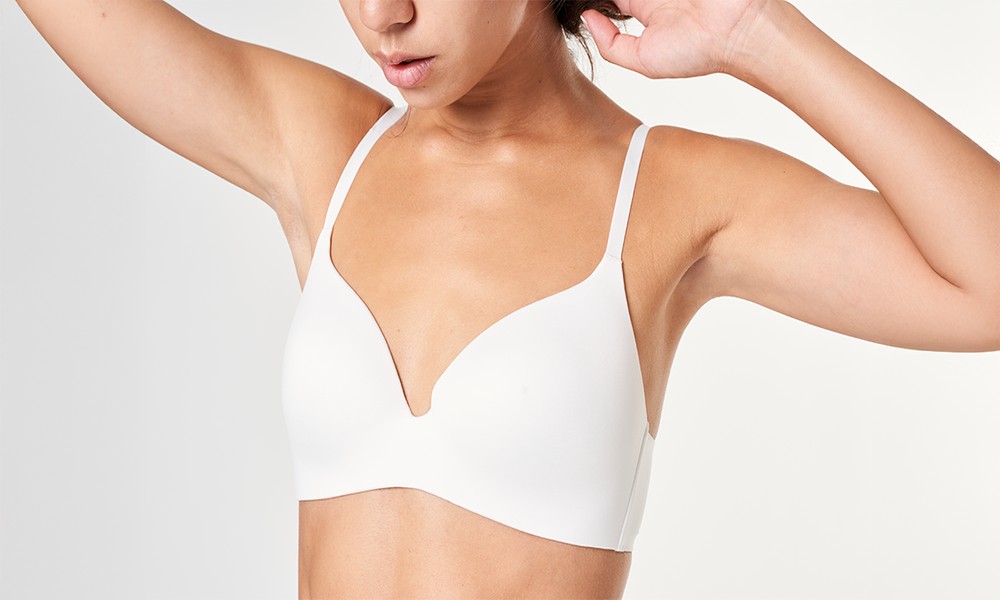
Comfort has become one of the most important priorities in modern fashion, especially when it comes to everyday essentials. Many women are now looking for supportive lingerie that not only fits properly but also helps them feel confident throughout the day. This is one reason why the popularity of the minimiser bra Australia continues to grow. Designed to reduce pressure, improve support, and create a smoother silhouette, this style of bra offers practical benefits that make daily life more comfortable.

Better Support For Everyday Activities

One of the main reasons women choose minimiser bras is the level of support they provide. Traditional bras may not always distribute weight evenly, especially for women with fuller busts. This can lead to shoulder discomfort, neck strain, and back pressure after long hours of wear.

A minimiser bra is specially designed to spread breast tissue more evenly across the chest. This creates a balanced shape while reducing the feeling of heaviness. The result is improved comfort during routine activities such as working, shopping, commuting, or spending long hours on your feet.

Women who maintain active schedules often appreciate the extra stability these bras provide throughout the day.

Improved Clothing Fit

Another important benefit of wearing a minimiser bra is the way clothing fits. Some outfits may feel tight or restrictive around the chest area, even when the rest of the garment fits perfectly. A minimiser bra can help create a smoother appearance under tops, dresses, and office wear.

This improved shaping allows fabrics to sit more naturally against the body. Many women find that button-up shirts fit less while fitted clothing feels more balanced and flattering.

The demand for the minimiser bra in Australia has increased partly because modern fashion focuses heavily on clean silhouettes and comfortable styling. Women want lingerie that supports both appearance and practicality without sacrificing comfort.

Reduced Shoulder Pressure

It is not uncommon for bra straps to dig into the shoulders, particularly when providing inadequate support. This issue becomes more noticeable during long workdays or extended travel.

Minimiser bras are often designed with wider straps and reinforced construction to help distribute weight more evenly. This reduces concentrated pressure on the shoulders and creates a more relaxed wearing experience.

For women who regularly experience discomfort from narrow straps, supportive lingerie can make a noticeable difference in daily comfort levels.

Enhanced Confidence Throughout The Day

Comfort and confidence are closely connected. When lingerie fits properly, women often feel more relaxed and self-assured in both casual and professional settings.

A well-fitted minimiser bra can help eliminate constant adjustments, discomfort, or concerns about clothing fit. Instead of focusing on irritation or lack of support, women can move comfortably through their day with greater confidence.

This is especially important in professional environments where long hours and busy schedules demand clothing that feels dependable and comfortable from morning until evening.

Breathable Fabrics Improve Wearability

Modern lingerie design has evolved significantly over the years. Many minimiser bras now feature lightweight and breathable materials that improve airflow and reduce irritation.

This is particularly valuable in warmer climates where comfort can be affected by heat and humidity. Soft fabrics combined with supportive structure help create a comfortable balance between stability and flexibility.

Consumers looking for a minimiser bra in Australia often prioritise breathable fabrics because they allow for better all-day wear without discomfort.

Better Posture And Body Balance

Proper support can also influence posture. When the bust is supported evenly, it may help reduce unnecessary strain on the upper body. Some women notice they naturally stand and move more comfortably when wearing bras designed with structured support.

Good posture contributes to overall comfort by helping reduce tension across the shoulders and back. While lingerie alone cannot solve posture problems, supportive bras may help create a more balanced feeling during everyday movement.

This added stability becomes especially important for women who spend long hours sitting at desks or walking throughout the day.

Suitable For Different Fashion Styles

Another reason minimiser bras remain popular is their versatility. They work well under casual outfits, office clothing, formal wear, and lightweight fabrics. Their smooth appearance makes them practical for many wardrobe choices without adding bulk.

Fashion preferences continue to change, but comfort-driven lingerie remains a priority for many women. A supportive minimiser bra can adapt easily to different clothing styles while still providing dependable everyday wear.

This amalgamation of style and functionality elucidates the reason why numerous women persist in investigating supportive lingerie alternatives that prioritise comfort without sacrificing appearance.

Conclusion

Comfortable lingerie can have a significant impact on everyday life. From reducing shoulder pressure to improving clothing fit and increasing confidence, minimiser bras offer several practical advantages for women seeking reliable support. As more women focus on comfort-focused fashion choices, the popularity of the minimiser bra in Australia continues to rise. Supportive construction, breathable materials, and balanced shaping all contribute to a more comfortable daily experience.

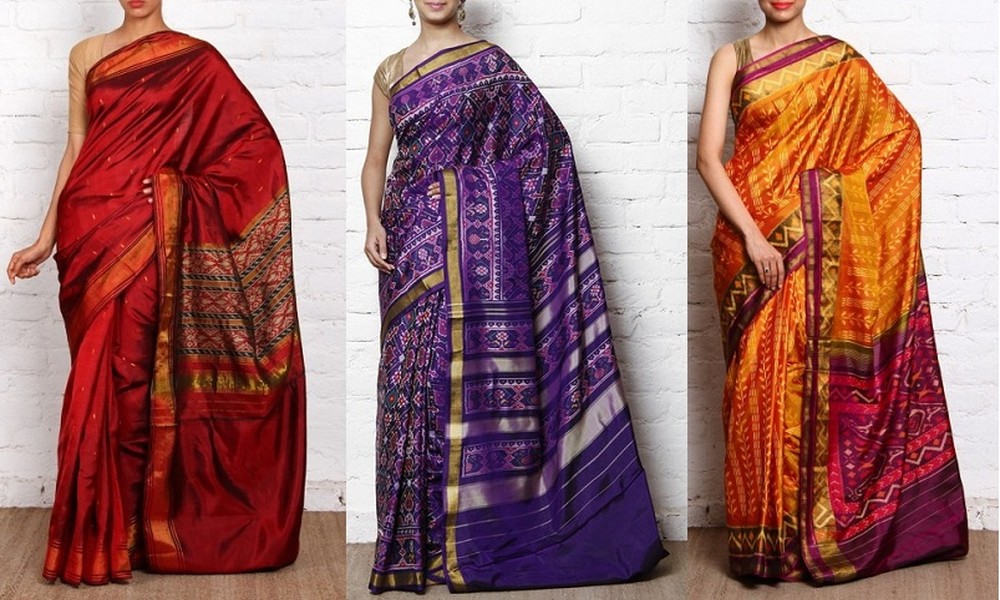
Traditional Indian fashion has always celebrated a blend of artistry, culture, and sophistication. Among the most admired combinations today are silver haram designs paired with the exquisite Patan Patola saree. This pairing reflects not just beauty but also a deep-rooted heritage that continues to inspire modern fashion lovers. While silver jewelry adds a subtle yet striking charm, the patola saree represents centuries-old craftsmanship, making the duo perfect for festive and special occasions.

Silver Haram Designs Bringing Modern Grace

Silver jewelry has gained immense popularity for its versatility and affordability, and silver haram designs stand out as a key accessory in ethnic styling. These long necklaces are often intricately crafted with traditional motifs such as temple patterns, floral carvings, and antique finishes. The beauty of silver haram designs lies in their ability to enhance any outfit without overpowering it. Whether worn with silk, cotton, or designer sarees, they add a regal yet understated touch.

In modern fashion, designers are experimenting with oxidized finishes, layered styles, and gemstone embellishments to make silver haram designs more appealing to younger generations. These pieces are not only stylish but also comfortable for long wear, making them ideal for weddings, festivals, and cultural gatherings.

The Rich Legacy of Patan Patola Saree

The Patan Patola saree is one of India’s most treasured handwoven textiles, originating from Gujarat. Known for its double ikat weaving technique, each saree is crafted with precision and patience, often taking months to complete. The patterns are symmetrical and vibrant, featuring geometric designs, flowers, birds, and traditional motifs that symbolize prosperity and auspiciousness.

Wearing a patan patola saree is not just about fashion; it is about embracing heritage. These sarees are considered luxurious and are often passed down through generations as heirlooms. Their durability, rich colors, and intricate designs make them a timeless addition to any wardrobe.

Perfect Pairing for Festive Occasions

When silver haram designs are styled with a patan patola saree, the result is a stunning balance of elegance and tradition. The subtle shine of silver complements the bold patterns of the saree, creating a harmonious look that stands out effortlessly. This combination is particularly suitable for weddings, religious ceremonies, and festive celebrations where traditional attire is preferred.

The key to styling this look lies in keeping the balance intact. Since the Patan Patola saree is already vibrant and detailed, choosing minimal yet elegant silver haram designs helps maintain sophistication. Adding matching earrings or bangles can further enhance the overall appearance without making it look excessive.

Styling Tips for a Contemporary Look

Modern women love to blend tradition with contemporary trends, and this combination offers endless styling possibilities. Pairing a patan patola saree with layered silver haram designs can create a bold and fashionable statement. Opting for sleek hairstyles like buns or braids allows the jewelry to stand out beautifully.

Makeup can also play a crucial role in completing the look. Neutral tones with a hint of bold lipstick can perfectly complement the richness of the saree and the elegance of silver jewelry. Footwear such as traditional juttis or embellished heels can add the finishing touch.

Why This Combination Remains Evergreen

The enduring charm of silver haram designs and patan patola saree lies in their cultural significance and adaptability. While fashion trends come and go, this combination continues to remain relevant because it represents authenticity and craftsmanship. It appeals to both traditionalists and modern fashion enthusiasts, making it a versatile choice for women of all ages.

Conclusion:

In a world where fast fashion dominates, choosing handcrafted pieces like a patan patola saree and pairing them with timeless silver haram designs reflects a conscious appreciation for art and heritage. This combination is not just about dressing up; it is about celebrating tradition with grace and confidence.

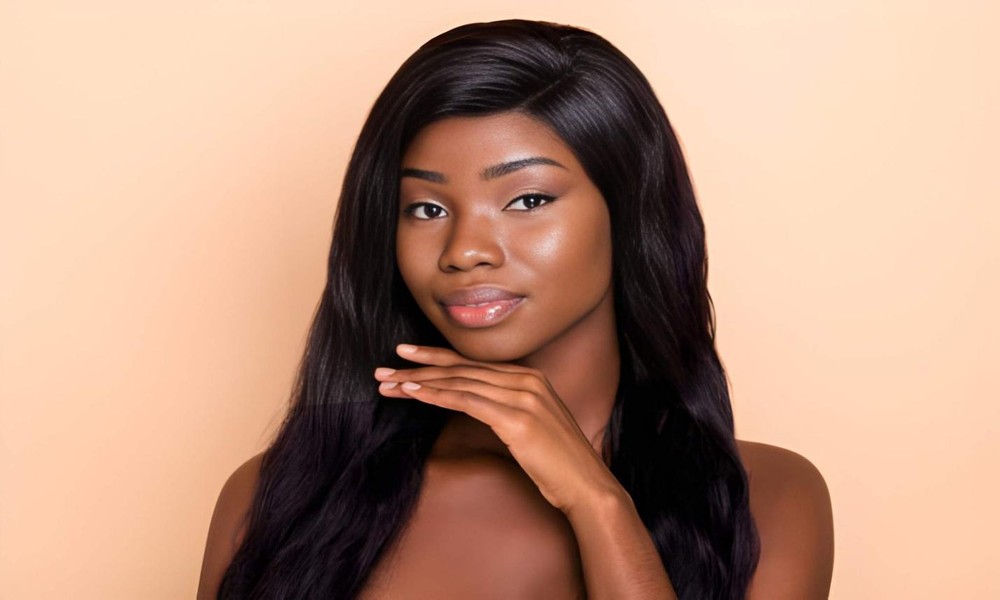
Protective styling is one of the most practical ways to enjoy beautiful hair while giving your natural strands a break from constant heat, pulling, and daily manipulation. For many Black women, extensions are not just about adding length or volume; they are about creating styles that feel realistic, support healthy hair goals, and fit everyday life. From polished weaves to easy clip-ins, full wigs, and flexible I-Tips, the right choice depends on your hair texture, your routine, and how much maintenance you want to commit to. When chosen carefully, extensions can help you enjoy silk press-inspired styles, kinky straight blowouts, defined curls, and fuller looks without overworking your own hair.

Choosing Extensions That Support Natural Hair

Textured and natural hair often needs styling options that respect its density, curl pattern, shrinkage, and delicate ends. This is why African American Hair Extensions should be selected with more care than simply choosing a pretty texture online. The best option should blend naturally, reduce stress on your real hair, and help you maintain a polished look without daily heat styling.

A good protective style should also work with your lifestyle. If you prefer a long-term style, a weave or wig may be ideal. If you like switching your look often, clip-ins may be easier. If you want movement with a more seamless finish, I-Tips can offer flexibility when installed by a skilled stylist. The goal is to choose extensions that protect, not overwhelm, your natural hair.

Weaves, Wigs, Clip-Ins, and I-Tips Explained

Weaves are a popular choice for women who want a fuller, longer-lasting install. They are usually sewn onto cornrows, which keeps most of the natural hair tucked away. This can help reduce daily combing and heat use, especially when the leave-out area is limited or properly protected. Weaves are great for vacation styles, work-ready looks, and fuller textured finishes.

Wigs offer one of the easiest protective styling options because they allow your natural hair to be braided underneath while the wig creates the finished look. They are especially useful for women who want to change between straight, curly, wavy, or kinky textures without committing to one install for several weeks.

For textured or natural hair, clip-ins are helpful when you want volume for a few hours or a few days without a full salon appointment. Curly Clip In Extensions can be especially useful when your goal is to enhance a twist-out, wash-and-go, half-up style, or fuller curly look while still keeping your own hair accessible.

I-Tips are individual strand extensions installed without braids or wefts. They can move more freely and create a natural-looking finish, but they require proper installation and maintenance. They are best for women who are comfortable with regular salon care and want a style that feels lightweight and flexible.

How to Match Texture, Quality, and Finish

The most natural-looking result usually comes from choosing a texture that works with your real hair, not against it. For example, kinky straight extensions can mimic a blown-out natural look, while relaxed straight textures can create a silk press effect. Curly and coily textures are ideal when you want volume, shape, and a softer natural finish.

Hair quality also matters. Human hair extensions that are soft, reusable, and carefully sourced tend to look better over time. A cheaper option may seem convenient at first, but it can tangle, shed, or lose its finish faster. For protective styling, the hair should be easy to maintain so you are not constantly brushing, pulling, or restyling it.

  • Choose kinky straight textures for a blowout-inspired finish.
  • Choose relaxed straight textures for a smoother silk press look.
  • Choose curly textures for volume, softness, and movement.
  • Choose wigs if you want full coverage and easy style changes.
  • Choose clip-ins if you want temporary volume with less commitment.

Protective Styling Without Neglecting Your Hair

A protective style still needs care underneath. Your scalp should be clean, your braids should not be too tight, and your natural hair should be moisturized before installation. If the style causes pain, bumps, or tension around the edges, it is not protecting your hair properly. Comfort is just as important as beauty.

Maintenance depends on the method you choose. Weaves and wigs need regular cleansing and proper drying to avoid buildup. Clip-ins should be removed before sleeping unless they are specifically installed for longer wear. I-Tips should be detangled gently and maintained by a stylist to prevent matting near the roots.

It also helps to give your hair breaks between installs. During these breaks, deep conditioning, trimming weak ends, and keeping your scalp healthy can support better length retention. Protective styling works best when it is part of a healthy hair routine, not a replacement for one.

Closing Style Thoughts

The best extension method is the one that fits your real life. A busy professional may prefer a wig for quick styling. Someone who loves salon-finished looks may enjoy a weave or I-Tips. A woman who likes weekend styling may prefer clip-ins because they offer instant volume without a long-term commitment.

When choosing extensions for protective styling, focus on texture match, comfort, quality, and maintenance. The right style should make you feel confident while giving your natural hair room to rest, grow, and recover. With the right method, extensions can be both beautiful and practical, helping you enjoy different looks while still caring for the hair underneath.

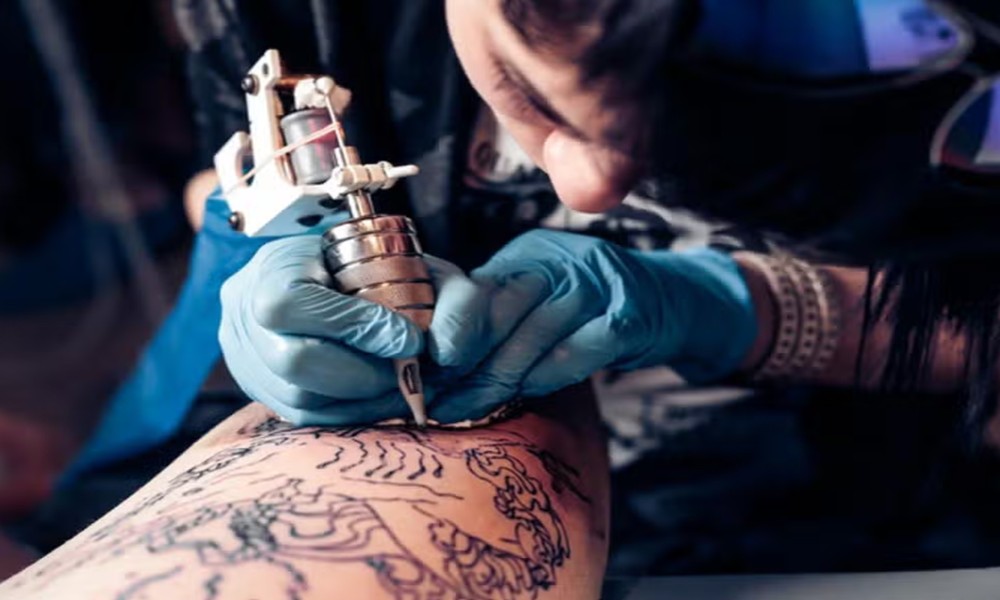
Getting a tattoo is an exciting experience, but it also comes with permanent consequences. While the process may seem straightforward, many people make avoidable mistakes that affect the final result and long-term satisfaction. Understanding these common pitfalls can help ensure a smoother experience and a tattoo that stands the test of time.

Rushing the Decision

One of the most common mistakes is acting on impulse. Choosing a design without proper thought can lead to regret later on. Tattoos should reflect something meaningful or visually timeless rather than a passing trend. Taking time to refine the concept, review references, and consider how it will age can prevent dissatisfaction in the future.

Ignoring Placement Factors

Placement plays a major role in both appearance and durability. Areas exposed to frequent friction or sunlight-such as hands, fingers, and feet-are more likely to fade quickly. Additionally, certain body parts may distort over time due to movement or changes in skin elasticity. Failing to consider these factors can result in a tattoo that doesn’t hold its original shape or clarity.

Choosing Price Over Quality

Trying to save money by opting for the cheapest option often leads to poor results. Lower prices may reflect inexperience, subpar materials, or rushed work. A tattoo is a long-term investment, and prioritizing quality over cost is essential. Paying more upfront for better craftsmanship and materials can prevent the need for expensive touch-ups or cover-ups later.

Skipping Proper Aftercare

Even a well-executed tattoo can suffer if aftercare is neglected. The healing process is critical for preserving detail and color. Failing to keep the tattoo clean, moisturized, and protected from irritation can lead to uneven healing, fading, or infection. Following proper aftercare instructions ensures the ink settles correctly into the skin.

Overlooking Long-Term Maintenance

Many people assume that once a tattoo heals, no further care is needed. In reality, maintaining a tattoo requires ongoing attention. Sun exposure is a major cause of fading, so applying sunscreen regularly helps protect the design. Keeping the skin hydrated also supports overall appearance. Periodic touch-ups may be necessary to maintain sharpness and vibrancy over time.

Not Communicating Clearly

Miscommunication between the client and the artist can lead to disappointing results. Failing to clearly express expectations regarding size, placement, and design details increases the risk of misunderstandings. Bringing references and discussing preferences in detail helps ensure both sides are aligned before the work begins.

Avoiding these common mistakes can make a significant difference in the outcome of a tattoo. Careful planning, informed decisions, and proper maintenance all contribute to a result that looks better and lasts longer. Taking the process seriously from the start helps ensure that the final piece remains something to appreciate for years to come.

This post was written by J Michael Taylor. J Michael Taylor is an artist and the owner of Black Amethyst Tattoo Gallery. Looking for Tattoo shops in St Petersburg, Florida? Black Amethyst has you covered! They provide an art-first approach to custom tattooing in a gallery setting.

Introduction

Ball masks for masquerade parties are beautifully designed masks that will create mystery, style and excitement at parties. These masks have been popular at themed parties, weddings, fashion shows and formal parties around the world and are inspired by the traditions of the Venice Carnival. Over time, many different types of masquerade ball masks have been created, each with its own unique design, purpose, and cultural significance. Knowing each of the different styles will help people select the right mask to wear in any setting.

Full-Face Masks

One of the most dramatic, and eye-catching, of the masquerade masks is the full-face mask. These masks are full-faced and have a profound anonymity and mystery. They can be adorned with feathers, metallic elements, jewels, glitter, or artistic designs. Full-face masks are frequently worn at fancy masquerade parties, theatrical shows and fashion shows where a strong statement is desired. These masks are full coverage and therefore make for a more private and classy setting for grand occasions.

Half-Face Masks

Half face masks are one of the most common to use for masquerade balls. They only cover the eyes and upper cheeks and do not cover the mouth. The masks are comfortable to wear and facilitate communication, eating and drinking at events. Half face masks come in simple and fancy designs, ideal for formal and casual functions respectively. This is a popular style as it blends in mystery with comfort and elegance.

Venetian Colombina Masks

The Colombina mask is a traditional Venetian mask based on the cultural heritage of Venice. It typically is applied just to the face and is embellished with large amounts of feathers, gold paint, and colored patterns. The popularity of this mask stemmed from the fact that it enabled the person wearing it to reveal part of their face whilst retaining the mysterious appearance of masquerade practices. The Colombina mask is often used in elegant parties or carnival celebrations.

Bauta Masks

One of the oldest and most familiar masks in the masquerades is the Bauta. It covers the entire face and has a special contour in the area around the mouth. In the past, the Bauta was designed to allow individuals to talk, eat and drink without taking off the mask. It represented an anonymous and social equality in Venetian festivals and in public events. Bauta masks are still in use today for traditional masquerade balls and theatrical performances.

Lace Masks

This type of lace mask for a masquerade looks light and elegant. They are typically created from thin lace and adorned with flower or art designs. These masks are particularly favoured at wedding ceremonies and formal evening parties as they make a gentle and polished appearance. Black lace masks are a great trend to wear, as they are simple and mysterious. They fit well, so they’re perfect for extended parties.

Feathered Masks

Feathered Masquerade Masks are masks that are decorated with large and extravagant feathers to draw attention. They are frequently adorned with vibrant feathers, gemstones, glitter, and other elements. These masks are ideal for glamorous occasions and costume parties, where expression through costume is encouraged. Feathered patterns evoke a chic and celebratory vibe that is sure to catch the eye.

Chapter 1—Morning in the Studio

Joie arrived at the studio before most of the city had fully started the day. Early light stretched across the long wooden table where she kept archive photographs, research notebooks, and leather samples collected over years of studying fashion accessories.

What interested her was never trend alone. She cared more about why certain bags stayed persuasive long after the season that introduced them had passed. Shape, material, and construction mattered more to her than novelty.

Near the edge of the table sat an elegant women bag she had been examining for weeks. At first glance, the design looked restrained. The longer she studied it, the more intention it revealed.

The handle curved with ease. The body held a clear silhouette without unnecessary additions. Nothing seemed forced.

She opened her notebook and wrote a few lines.

Some bags depend on visible branding or surface effect. Others earn attention through proportion and control. This one belonged to the second group.

Outside the window, delivery vans rolled past and sunlight moved across the neighboring buildings. Inside the studio, the bag turned slowly in her hands as she examined the way its structure responded to light.

What drew her in was not only appearance. It was the sense that every choice had been considered, then reduced to what was essential.

In her hands, it felt less like an accessory and more like a finished idea.

Chapter 2—Reading the Old Sketches

Later that morning she crossed the room to a large cabinet filled with reproductions of old handbag sketches.

Many came from European ateliers that documented design methods throughout the twentieth century. Folded sheets carried annotations about closures, stitching methods, handle placement, and base construction.

Spread across the table, they looked less like fashion drawings and more like technical studies.

One sketch in particular held her attention. It showed a bag from decades earlier with precise notes about seam direction and leather thickness. The drawing was not decorative. It was practical, almost severe.

That severity interested her.

It reminded her that elegance often begins in decisions most people never see. A handle must carry pressure correctly. A base must support the body without distortion. A clasp must function repeatedly without disrupting the line of the form.

Questions like these rarely appear in fashion editorials, yet they decide whether a bag survives daily use with dignity.

Joie had learned to trust that kind of hidden intelligence.

Decoration may attract the eye first. Structure determines whether the design deserves to last.

Chapter 3—What Material Changes

By midday, the table had filled with leather samples: smooth calfskin, textured grain, firmer hides meant for stronger silhouettes, and a few experimental finishes developed by smaller makers.

Each material changed the behavior of a design.

Some held a sharp line. Others softened the form. Some caught the light in a controlled way, while others absorbed it and gave the surface more depth.

That relationship between material and form was one of the reasons she kept returning to handbag design as a subject worth studying.

For anyone interested in how this balance works in practice, an elegant women bag offers one of the clearest examples of structure shaped by material rather than ornament alone.

She compared the sample bag from earlier with the leather swatches spread before her. The bag’s surface carried enough firmness to preserve its outline, but not so much that it felt stiff or distant.

This was the difference she tried to explain to students whenever they asked what made a design persuasive.

Good material does not simply cover the form. It changes how the form lives.

When leather, internal support, and hardware are chosen with care, the bag keeps its identity through repeated use. It does not collapse into confusion after a few months. It continues to speak clearly.

She underlined that line in her notebook and left it there for a long time.

Chapter 4—In Conversation with Young Designers

The afternoon brought her to a nearby design school, where a group of students had gathered for an informal workshop.

Some were sketching their first accessory collection. Others had already produced prototypes and wanted to understand why certain designs felt resolved while others did not.

Joie placed several bags on the table and asked them to study the proportions before discussing anything else.

The students lifted them, compared the width of the handles, the height of the bodies, and the relationship between base and opening.

One question came up almost immediately: how do you know when a bag feels balanced?

There was no simple formula, she told them. Experience matters. So does observation. Designers train their eye by studying many examples, noticing what keeps a form coherent and what weakens it.

Fashion often looks spontaneous from the outside. Inside the process, it is built from repeated judgments.

For nearly two hours the room moved between sketches, conversation, and close examination. The students asked about construction, about why some bags hold attention without ornament, about why small changes in scale can alter an entire impression.

Leaving the classroom, she had the familiar sense that teaching always clarified her own thinking.

Chapter 5—The First Form

Several weeks later, the first prototype built from her research notes was ready.

It sat under bright studio light, quieter than the anticipation surrounding it. The design team waited nearby while she took her time.

This elegant women bag followed the principles she had been tracing from the beginning: measured structure, controlled line, and enough space for daily use without sacrificing refinement.

She walked around it slowly.

The width felt right. The handle sat at a convincing height. The body kept its line without turning rigid.

Inside, the construction was just as disciplined. Reinforced seams supported the form without drawing attention to themselves. The opening was practical, the interior considered, the closures clean.

The prototype did not need to explain itself.

That was what pleased her most.

It already carried the quality she had been searching for—not spectacle, but assurance.

There would still be revisions. There always were. But the essential idea had taken shape.

For the first time, the work that had lived in notes, sketches, and measurements had become something she could hold.

Chapter 6—On Proportion

Before approving the design, Joie spent days comparing the prototype with older examples from the studio archive.

Tape measure in hand, she recorded handle height, body width, base depth, and the distance between each structural element. A few millimeters in either direction could change how the bag felt when carried.

This part of the process rarely attracted attention from the outside, yet it often determined whether a bag stayed persuasive over time.

A slightly wider base might improve stability. A shorter handle could strengthen the silhouette. A softer curve at the top edge could make the whole design feel more composed.

Proportion was never decorative.

It was the discipline that kept everything else in place.

She requested a revised sample with a narrower base and a firmer internal frame. The changes were modest, but she knew they would matter.

Nothing about the final line of a bag ever happened by accident.

Chapter 7—At the Seminar

That evening she joined a small seminar where young designers presented work and asked questions about the future of accessories.

Many of them expected a discussion about trend forecasting. Joie took the conversation elsewhere.

She lifted one of the recent prototypes and explained that an elegant women bag does not need excess to hold attention. Its strength lies in form, in the assurance of its construction, in the way it keeps its place when everything around it changes.

The room settled.

Students leaned forward. Several had brought bags covered in added features, decorative hardware, and competing visual ideas. She encouraged them to remove whatever did not strengthen the form.

A bag should survive beyond the first response, she said. It should remain convincing after being carried, opened, set down, lifted again, and lived with.

By the end of the evening, the questions had become sharper, and that was enough.

Chapter 8—Inside the Archive

Later that night, Joie returned to the archive room behind the main exhibition hall.

Rows of protective boxes held prototypes, unfinished sketches, and old sample bags kept away from public display. Removed from advertising and presentation, the work could be judged more honestly there.

Some designs relied on sharp geometry. Others used broader bases and softened edges. A few looked almost plain until examined more carefully, when their control became unmistakable.

She moved from shelf to shelf, comparing closures, handle construction, and the way different periods solved the same practical problems in different ways.

The archive never felt distant to her; it felt unfinished, as if the conversation were still going on.

What mattered was what stayed convincing.

Chapter 9—Choosing What Stays

A few weeks later, several finished samples stood before her in the studio.

Each offered something useful. One had an easier softness. Another held a stronger profile. A third felt quieter in its presence yet more complete in use.

She spent most of the afternoon carrying them rather than simply examining them on the table. The difference became clear only through use.

By the end of the day, the decision no longer felt difficult.

The sample she chose was the one that asked for the least while giving the most back—an elegant women bag built on clean structure, measured proportion, and practical grace.

She made a final set of notes for the production team. A firmer internal frame should stay. The handle attachment was exactly right. The base needed only the smallest refinement.

What stayed with her was how little had been forced and how much that restraint had achieved.

Chapter 10—After the First Impression

Once production moved forward, her attention shifted from the launch to the life the bag would have beyond the studio.

A first impression matters, but it cannot do all the work.

Some accessories look striking under controlled light and then lose force after a few weeks of use. The stronger ones keep their presence because the original decisions were sound.

She reviewed the prototypes again under morning light, then later in the day when the room had changed. The surface responded differently each time, yet the structure stayed persuasive.

That consistency mattered more to her than novelty ever could.

A serious design should remain credible in a train station, at a dinner table, inside an office, or during an ordinary afternoon.

This was why she kept returning to proportion and construction.

After a while, the difference became easy to see.

Chapter 11—What It Became

When the final sample was approved, Joie stood alone at the table and looked at it without rushing.

Months of study, revision, and conversation had led here.

The result told her something she had been trying to articulate for years: beauty alone is not enough. What lasts is meaning carried through form. In that sense, an elegant women bag becomes a record of patience, discipline, and all the quiet decisions that shaped it.

She thought about the women who would carry it.

Each would bring a different life to the same design. The bag would move through workdays, trains, dinners, and ordinary hours. It would gather signs of use and, with time, become attached to routines no designer can fully predict.

The work had always been heading somewhere beyond display.

Chapter 12—After Release

When the studio prepared the design for release, what she felt most was not excitement, but certainty.

The project had clarified what had always mattered to her: strong design does not need to insist on itself. It proves its value through use, through proportion, through the steadiness of its form.

She closed her notebook and placed it beside the finished sample.

Outside, the city moved through another ordinary day. Inside, the studio held the result of months of observation, correction, and patient judgment.

New materials would come. New silhouettes would be proposed. New students would ask the same questions in different words.

But the central question would remain unchanged.

Again and again, her notes returned to the same things: proportion, construction, and a form that could keep its strength over time.


1. BUILDING THE PERFECT TRADITIONAL BASE

You need to opt for the right base as it lays the foundation of the success of any day-night outfit. The common thread would be fabric quality and tailoring. Pieces that are made from substantial materials and fit well give you a polished look by providing you with a starting point that works across various contexts. When you build transitional outfits, colour choice significantly matters. For your base piece, stick to rich jewel tones or neutrals. For evening wear, they would look sophisticated, whereas the remaining would be appropriate for professional daytime settings. accessories that transition from day to night A clean canvas for accessories is provided, where most of the transition happens. Careful consideration is required when you select a fabric. For a casual daytime look, cotton and linen would work wonders, but might look too informal for upscale evening events. Sweet spot for fabrics would include structured wool blends, silk, quality ponte knit, and substantial jersey. These fits bridge day to night division as they resist wrinkling, possess an inherent sophistication, and drape well.

2. MASTERING THE ART OF STRATEGIC LAYERING

One of the most powerful tools to create outfits that shift seamlessly from day to night would be layering. You need to follow this simple strategy: begin with more coverage during the day, and by evening, remove layers to be more evening-appropriate underneath. You need to plan your fit in reverse order by thinking about what will be visible once you remove that blazer or cardigan. The underneath piece needs to be interesting to stand alone, at the same time remaining appropriate with the layer on top. A classic illustration would be wearing a sleeveless blouse or silk camisole under a cardigan or blazer. During the daytime, a layered look will be professional and office-appropriate. If you remove the outer layer in the evening, you will suddenly have a sleek, sophisticated look that works well for both drinks and dinners. The key would be to choose an underlayer in a luxe fabric with a cowl neck, lace patterns, or a subtle shimmer.

3. TRANSFORMING THROUGH ACCESSORIES AND STYLING

In transitional dressing, transformative power is held in accessories. Since they’re small and portable, that would be the beauty of using transition accessories as your transition strategy. You can completely change your look in minutes without the need to completely change your fit since you can easily carry them in your bag and swap them out when needed. Without any distraction, polish can be created by a simple necklace or a classic watch, or one ring. One of the most impactful accessory swaps would be jewellery. Keep the jewellery minimal and understated during the day. The second most powerful transitional accessory would be bags and shoes. Makeup and hairstyle changes complete the transition. For professional settings, simple hairstyles and natural makeup would work best. You can intensify your makeup in the evening by adding dramatic lashes, smoky eyes, and a bold lip.

Choosing the right riding breeches can make a dramatic difference in comfort, performance, and overall riding experience. Riders often face wildly different conditions depending on the season, climate, and the intensity of their activity. Breeches that feel great in a summer heatwave might be completely unsuitable for a crisp winter morning in the barn. Understanding how various materials, cuts, and design features perform in both hot and cold weather will help you make informed decisions so you can stay focused on your riding, not on discomfort.

What Makes Riding Breeches Comfortable in Hot Weather

When the temperature rises, breathability and moisture management become the most important factors in riding breeches. Heat and humidity can cause sweat buildup, chafing, and even overheating if your apparel doesn’t allow air to circulate. Lightweight fabrics like nylon blends, technical mesh panels, and moisture-wicking materials are key in hot weather. These fabrics draw sweat away from the skin and let it evaporate quickly, keeping riders cool and dry.

Fit also plays a role. Slim-cut breeches that are too tight can trap heat and reduce airflow, so riders often prefer styles with stretch and some room in the thigh and seat areas during summer months. Look for pieces with strategic ventilation, such as mesh inserts behind the knee or breathable gussets, which enhance airflow where you need it most.

Style matters, too. Lighter colors reflect sunlight better than darker tones, so white, beige, or pastel riding breeches not only look classic but can also contribute to thermal comfort during long trail rides or outdoor training sessions. Sun protection is another factor—some fabrics now include UPF-rated material to shield riders from harmful ultraviolet rays without adding bulk.

Durability shouldn’t be overlooked either. Even lightweight breeches need to withstand repeated use around barns, arenas, and trails. Stretch reinforcements in high-movement zones and reinforced seams ensure that summer breeches remain reliable through weeks of active riding.

What to Look for in Riding Breeches for Cold Weather

Cold weather presents a different set of challenges. Riders must stay warm without restricting mobility, and the best riding breeches for chilly conditions balance insulation with stretch and breathability. Fleece-lined breeches have become increasingly popular because they offer a soft, warm interior without becoming bulky. The lining provides gentle warmth while still allowing flexibility in the hips and knees, essential for maintaining proper position in the saddle.

Fabric weight is important: mid- to heavyweight materials trap air and act as insulators, helping your body maintain heat. Look for riding breeches made from thick, tightly woven fabrics that block wind but still flex with every stride. Many cold-weather designs also feature windproof panels, especially across the thighs or lower legs, where wind chill can be most noticeable.

Thermal retention works best when paired with moisture management. Even in winter, sweat can accumulate during intense activity. Fabrics that transfer moisture away from the skin help prevent that clammy feeling that can quickly make cold days feel more miserable. Breathable yet insulated materials strike a smart balance, keeping you warm without overheating once you’ve warmed up during a lesson or ride.

Functionality is key. Features like higher waistbands can offer additional warmth and coverage, while zippered ankles allow breeches to fit snugly into tall boots or overlaid with warm socks. Some winter-specific breeches include subtle stretch panels at the knee or lower back to ensure riders don’t feel restricted when posting, rising, or shifting position.

Choosing Between All-Season and Weather-Specific Riding Breeches

Many riders face a seasonal wardrobe dilemma: should they invest in separate summer and winter breeches, or choose all-season designs that perform reasonably well year-round? Both approaches have merit, depending on how often and intensely you ride.

All-season riding breeches are usually made from mid-weight stretch fabrics with moderate breathability and some insulating properties. These are excellent for riders in temperate climates, barn work, or lessons that don’t push extremes of heat or cold. All-season breeches often feature versatile stretch technology and balanced moisture management so they won’t feel out of place in the spring or fall.

However, riders in regions with hot summers and freezing winters may find all-season models too much of a compromise. When temperatures regularly hit extremes, it’s worth having at least two pairs of specialized riding breeches. Summer breeches keep you cool and prevent chafing during high temperatures, while winter breeches preserve warmth and protect against wind chill on frosty mornings or outdoor rides.

Some brands now offer modular systems, like removable liners or reversible designs, that transition from warm to cool weather with minimal effort. These can be a practical and cost-effective alternative if storage space or budget is a concern.

Practical Tips for Caring for Hot and Cold Weather Riding Breeches

Proper care extends the life and performance of your riding breeches, whether you use them in heat or cold. Fabrics designed for breathability and moisture management often benefit from gentle laundering. Wash on a delicate cycle with mild detergent, avoid fabric softeners that can clog technical fibers, and air-dry to preserve stretch and fit. For fleece-lined or insulated winter breeches, follow label instructions to maintain warmth retention and prevent matting of inner layers.

Storing breeches in a cool, dry place prevents mold, mildew, and fabric degradation. Keeping summer and winter designs separated helps you quickly grab the pair that suits the day’s conditions without wearing down the wrong pair prematurely. Periodically check for wear at seams and knee patches, especially if you ride frequently; timely repairs keep breeches comfortable and long-lasting.

Matching your breeches with complementary gear can also improve seasonal comfort. In summer, moisture-wicking base layers and breathable shirts enhance the cooling effect of lightweight breeches. In winter, thermal base layers worn underneath can add warmth without affecting mobility. Choosing boots, gloves, and jackets that coordinate with your breeches can make a big difference in overall comfort during long rides.

Understanding how to layer appropriately and tune your outfit for specific weather conditions allows you to get the most out of your riding breeches, maximize flexibility, and maintain focus on your performance rather than your discomfort.

Understanding How Botox Functions

Botox is a cosmetic treatment that targets facial wrinkles and lines by temporarily relaxing muscles. It works by blocking signals from nerves to muscles, preventing them from contracting. This process softens the skin above, smoothing out visible creases. Botox is not instant, but it is precise, requiring no surgery and very little recovery time.

Early Signs of Change

Patients often notice subtle changes within 24 to 48 hours, such as a slight reduction in tension or a softer look in treated areas. The full effect generally appears within seven to fourteen days. Different areas respond at different speeds. Frown lines between the eyebrows tend to relax faster than forehead lines or crow’s feet around the eyes because the muscles are smaller and more responsive.

Factors That Affect Timing

Several factors influence how quickly Botox works:

  • Muscle strength and size – stronger muscles may take longer to relax fully.
  • Age – skin with reduced elasticity or deep-set wrinkles may require more time for results to show.
  • Skill of the practitioner – proper technique ensures the Botox reaches the intended muscles, producing faster and more natural results.
  • Amount of product and brand – these can affect timing and duration.
  • Lifestyle – metabolism, sleep, and stress influence how long it takes for effects to appear.

People with faster metabolisms may see results sooner, but might also experience shorter-lasting effects.

What Happens in the First Week

Patients may notice a gradual softening of lines. The skin may feel smoother, and wrinkles start to appear less pronounced. Minor swelling or bruising at the injection site is normal and usually disappears within a few days. Patients are advised not to massage or rub the treated areas, as this can alter how Botox settles. Maintaining normal facial movement is recommended. Smiling, talking, and frowning will not interfere with results, but aggressive rubbing or pressure can reduce effectiveness.

Follow-Up and Adjustments

If the desired results are not fully visible after two weeks, a follow-up appointment can help. Additional small doses can be administered if necessary to achieve a balanced and natural appearance. Many practitioners prefer this staged approach to ensure precision and avoid over-treatment.

Duration of Effects

Once Botox has taken full effect, results typically last three to six months. Over time, muscle activity gradually returns, and wrinkles can reappear. Repeated treatments at regular intervals help maintain smoother skin and predictable results. Consistency is key to keeping wrinkles under control.

Safety Considerations

Botox is considered safe when performed by a trained professional. Minor side effects include bruising, mild swelling, or temporary discomfort. More serious reactions are rare. Certain conditions, medications, or pregnancy may make Botox unsuitable, so it is essential to disclose all relevant medical information to your practitioner.

Final Thoughts

Botox begins to show subtle changes within a day or two and delivers its full effect within one to two weeks. Timing depends on muscle size, age, technique, and lifestyle. Following aftercare instructions and scheduling regular treatments ensures results remain natural and long-lasting. This method provides smoother, younger-looking skin.