Author

Edward N. Pogue

Browsing

Chapter 1—Morning in the Studio

Joie arrived at the studio before most of the city had fully started the day. Early light stretched across the long wooden table where she kept archive photographs, research notebooks, and leather samples collected over years of studying fashion accessories.

What interested her was never trend alone. She cared more about why certain bags stayed persuasive long after the season that introduced them had passed. Shape, material, and construction mattered more to her than novelty.

Near the edge of the table sat an elegant women bag she had been examining for weeks. At first glance, the design looked restrained. The longer she studied it, the more intention it revealed.

The handle curved with ease. The body held a clear silhouette without unnecessary additions. Nothing seemed forced.

She opened her notebook and wrote a few lines.

Some bags depend on visible branding or surface effect. Others earn attention through proportion and control. This one belonged to the second group.

Outside the window, delivery vans rolled past and sunlight moved across the neighboring buildings. Inside the studio, the bag turned slowly in her hands as she examined the way its structure responded to light.

What drew her in was not only appearance. It was the sense that every choice had been considered, then reduced to what was essential.

In her hands, it felt less like an accessory and more like a finished idea.

Chapter 2—Reading the Old Sketches

Later that morning she crossed the room to a large cabinet filled with reproductions of old handbag sketches.

Many came from European ateliers that documented design methods throughout the twentieth century. Folded sheets carried annotations about closures, stitching methods, handle placement, and base construction.

Spread across the table, they looked less like fashion drawings and more like technical studies.

One sketch in particular held her attention. It showed a bag from decades earlier with precise notes about seam direction and leather thickness. The drawing was not decorative. It was practical, almost severe.

That severity interested her.

It reminded her that elegance often begins in decisions most people never see. A handle must carry pressure correctly. A base must support the body without distortion. A clasp must function repeatedly without disrupting the line of the form.

Questions like these rarely appear in fashion editorials, yet they decide whether a bag survives daily use with dignity.

Joie had learned to trust that kind of hidden intelligence.

Decoration may attract the eye first. Structure determines whether the design deserves to last.

Chapter 3—What Material Changes

By midday, the table had filled with leather samples: smooth calfskin, textured grain, firmer hides meant for stronger silhouettes, and a few experimental finishes developed by smaller makers.

Each material changed the behavior of a design.

Some held a sharp line. Others softened the form. Some caught the light in a controlled way, while others absorbed it and gave the surface more depth.

That relationship between material and form was one of the reasons she kept returning to handbag design as a subject worth studying.

For anyone interested in how this balance works in practice, an elegant women bag offers one of the clearest examples of structure shaped by material rather than ornament alone.

She compared the sample bag from earlier with the leather swatches spread before her. The bag’s surface carried enough firmness to preserve its outline, but not so much that it felt stiff or distant.

This was the difference she tried to explain to students whenever they asked what made a design persuasive.

Good material does not simply cover the form. It changes how the form lives.

When leather, internal support, and hardware are chosen with care, the bag keeps its identity through repeated use. It does not collapse into confusion after a few months. It continues to speak clearly.

She underlined that line in her notebook and left it there for a long time.

Chapter 4—In Conversation with Young Designers

The afternoon brought her to a nearby design school, where a group of students had gathered for an informal workshop.

Some were sketching their first accessory collection. Others had already produced prototypes and wanted to understand why certain designs felt resolved while others did not.

Joie placed several bags on the table and asked them to study the proportions before discussing anything else.

The students lifted them, compared the width of the handles, the height of the bodies, and the relationship between base and opening.

One question came up almost immediately: how do you know when a bag feels balanced?

There was no simple formula, she told them. Experience matters. So does observation. Designers train their eye by studying many examples, noticing what keeps a form coherent and what weakens it.

Fashion often looks spontaneous from the outside. Inside the process, it is built from repeated judgments.

For nearly two hours the room moved between sketches, conversation, and close examination. The students asked about construction, about why some bags hold attention without ornament, about why small changes in scale can alter an entire impression.

Leaving the classroom, she had the familiar sense that teaching always clarified her own thinking.

Chapter 5—The First Form

Several weeks later, the first prototype built from her research notes was ready.

It sat under bright studio light, quieter than the anticipation surrounding it. The design team waited nearby while she took her time.

This elegant women bag followed the principles she had been tracing from the beginning: measured structure, controlled line, and enough space for daily use without sacrificing refinement.

She walked around it slowly.

The width felt right. The handle sat at a convincing height. The body kept its line without turning rigid.

Inside, the construction was just as disciplined. Reinforced seams supported the form without drawing attention to themselves. The opening was practical, the interior considered, the closures clean.

The prototype did not need to explain itself.

That was what pleased her most.

It already carried the quality she had been searching for—not spectacle, but assurance.

There would still be revisions. There always were. But the essential idea had taken shape.

For the first time, the work that had lived in notes, sketches, and measurements had become something she could hold.

Chapter 6—On Proportion

Before approving the design, Joie spent days comparing the prototype with older examples from the studio archive.

Tape measure in hand, she recorded handle height, body width, base depth, and the distance between each structural element. A few millimeters in either direction could change how the bag felt when carried.

This part of the process rarely attracted attention from the outside, yet it often determined whether a bag stayed persuasive over time.

A slightly wider base might improve stability. A shorter handle could strengthen the silhouette. A softer curve at the top edge could make the whole design feel more composed.

Proportion was never decorative.

It was the discipline that kept everything else in place.

She requested a revised sample with a narrower base and a firmer internal frame. The changes were modest, but she knew they would matter.

Nothing about the final line of a bag ever happened by accident.

Chapter 7—At the Seminar

That evening she joined a small seminar where young designers presented work and asked questions about the future of accessories.

Many of them expected a discussion about trend forecasting. Joie took the conversation elsewhere.

She lifted one of the recent prototypes and explained that an elegant women bag does not need excess to hold attention. Its strength lies in form, in the assurance of its construction, in the way it keeps its place when everything around it changes.

The room settled.

Students leaned forward. Several had brought bags covered in added features, decorative hardware, and competing visual ideas. She encouraged them to remove whatever did not strengthen the form.

A bag should survive beyond the first response, she said. It should remain convincing after being carried, opened, set down, lifted again, and lived with.

By the end of the evening, the questions had become sharper, and that was enough.

Chapter 8—Inside the Archive

Later that night, Joie returned to the archive room behind the main exhibition hall.

Rows of protective boxes held prototypes, unfinished sketches, and old sample bags kept away from public display. Removed from advertising and presentation, the work could be judged more honestly there.

Some designs relied on sharp geometry. Others used broader bases and softened edges. A few looked almost plain until examined more carefully, when their control became unmistakable.

She moved from shelf to shelf, comparing closures, handle construction, and the way different periods solved the same practical problems in different ways.

The archive never felt distant to her; it felt unfinished, as if the conversation were still going on.

What mattered was what stayed convincing.

Chapter 9—Choosing What Stays

A few weeks later, several finished samples stood before her in the studio.

Each offered something useful. One had an easier softness. Another held a stronger profile. A third felt quieter in its presence yet more complete in use.

She spent most of the afternoon carrying them rather than simply examining them on the table. The difference became clear only through use.

By the end of the day, the decision no longer felt difficult.

The sample she chose was the one that asked for the least while giving the most back—an elegant women bag built on clean structure, measured proportion, and practical grace.

She made a final set of notes for the production team. A firmer internal frame should stay. The handle attachment was exactly right. The base needed only the smallest refinement.

What stayed with her was how little had been forced and how much that restraint had achieved.

Chapter 10—After the First Impression

Once production moved forward, her attention shifted from the launch to the life the bag would have beyond the studio.

A first impression matters, but it cannot do all the work.

Some accessories look striking under controlled light and then lose force after a few weeks of use. The stronger ones keep their presence because the original decisions were sound.

She reviewed the prototypes again under morning light, then later in the day when the room had changed. The surface responded differently each time, yet the structure stayed persuasive.

That consistency mattered more to her than novelty ever could.

A serious design should remain credible in a train station, at a dinner table, inside an office, or during an ordinary afternoon.

This was why she kept returning to proportion and construction.

After a while, the difference became easy to see.

Chapter 11—What It Became

When the final sample was approved, Joie stood alone at the table and looked at it without rushing.

Months of study, revision, and conversation had led here.

The result told her something she had been trying to articulate for years: beauty alone is not enough. What lasts is meaning carried through form. In that sense, an elegant women bag becomes a record of patience, discipline, and all the quiet decisions that shaped it.

She thought about the women who would carry it.

Each would bring a different life to the same design. The bag would move through workdays, trains, dinners, and ordinary hours. It would gather signs of use and, with time, become attached to routines no designer can fully predict.

The work had always been heading somewhere beyond display.

Chapter 12—After Release

When the studio prepared the design for release, what she felt most was not excitement, but certainty.

The project had clarified what had always mattered to her: strong design does not need to insist on itself. It proves its value through use, through proportion, through the steadiness of its form.

She closed her notebook and placed it beside the finished sample.

Outside, the city moved through another ordinary day. Inside, the studio held the result of months of observation, correction, and patient judgment.

New materials would come. New silhouettes would be proposed. New students would ask the same questions in different words.

But the central question would remain unchanged.

Again and again, her notes returned to the same things: proportion, construction, and a form that could keep its strength over time.
1. BUILDING THE PERFECT TRADITIONAL BASE

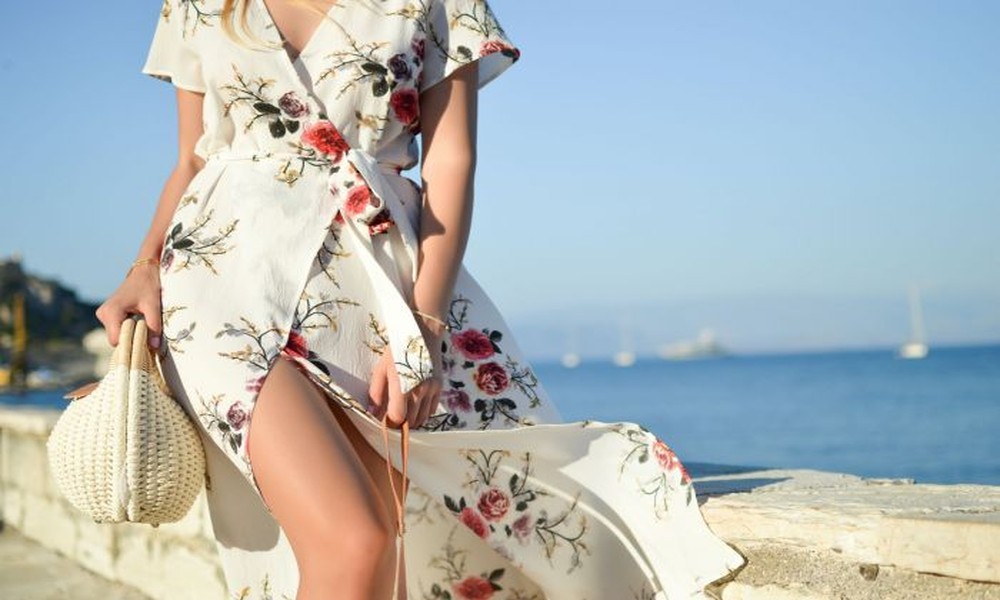
You need to opt for the right base as it lays the foundation of the success of any day-night outfit. The common thread would be fabric quality and tailoring. Pieces that are made from substantial materials and fit well give you a polished look by providing you with a starting point that works across various contexts. When you build transitional outfits, colour choice significantly matters. For your base piece, stick to rich jewel tones or neutrals. For evening wear, they would look sophisticated, whereas the remaining would be appropriate for professional daytime settings. accessories that transition from day to night A clean canvas for accessories is provided, where most of the transition happens. Careful consideration is required when you select a fabric. For a casual daytime look, cotton and linen would work wonders, but might look too informal for upscale evening events. Sweet spot for fabrics would include structured wool blends, silk, quality ponte knit, and substantial jersey. These fits bridge day to night division as they resist wrinkling, possess an inherent sophistication, and drape well.

2. MASTERING THE ART OF STRATEGIC LAYERING

One of the most powerful tools to create outfits that shift seamlessly from day to night would be layering. You need to follow this simple strategy: begin with more coverage during the day, and by evening, remove layers to be more evening-appropriate underneath. You need to plan your fit in reverse order by thinking about what will be visible once you remove that blazer or cardigan. The underneath piece needs to be interesting to stand alone, at the same time remaining appropriate with the layer on top. A classic illustration would be wearing a sleeveless blouse or silk camisole under a cardigan or blazer. During the daytime, a layered look will be professional and office-appropriate. If you remove the outer layer in the evening, you will suddenly have a sleek, sophisticated look that works well for both drinks and dinners. The key would be to choose an underlayer in a luxe fabric with a cowl neck, lace patterns, or a subtle shimmer.

3. TRANSFORMING THROUGH ACCESSORIES AND STYLING

In transitional dressing, transformative power is held in accessories. Since they’re small and portable, that would be the beauty of using transition accessories as your transition strategy. You can completely change your look in minutes without the need to completely change your fit since you can easily carry them in your bag and swap them out when needed. Without any distraction, polish can be created by a simple necklace or a classic watch, or one ring. One of the most impactful accessory swaps would be jewellery. Keep the jewellery minimal and understated during the day. The second most powerful transitional accessory would be bags and shoes. Makeup and hairstyle changes complete the transition. For professional settings, simple hairstyles and natural makeup would work best. You can intensify your makeup in the evening by adding dramatic lashes, smoky eyes, and a bold lip.

Understanding How Botox Functions

Botox is a cosmetic treatment that targets facial wrinkles and lines by temporarily relaxing muscles. It works by blocking signals from nerves to muscles, preventing them from contracting. This process softens the skin above, smoothing out visible creases. Botox is not instant, but it is precise, requiring no surgery and very little recovery time.

Early Signs of Change

Patients often notice subtle changes within 24 to 48 hours, such as a slight reduction in tension or a softer look in treated areas. The full effect generally appears within seven to fourteen days. Different areas respond at different speeds. Frown lines between the eyebrows tend to relax faster than forehead lines or crow’s feet around the eyes because the muscles are smaller and more responsive.

Factors That Affect Timing

Several factors influence how quickly Botox works:

  • Muscle strength and size – stronger muscles may take longer to relax fully.
  • Age – skin with reduced elasticity or deep-set wrinkles may require more time for results to show.
  • Skill of the practitioner – proper technique ensures the Botox reaches the intended muscles, producing faster and more natural results.
  • Amount of product and brand – these can affect timing and duration.
  • Lifestyle – metabolism, sleep, and stress influence how long it takes for effects to appear.

People with faster metabolisms may see results sooner, but might also experience shorter-lasting effects.

What Happens in the First Week

Patients may notice a gradual softening of lines. The skin may feel smoother, and wrinkles start to appear less pronounced. Minor swelling or bruising at the injection site is normal and usually disappears within a few days. Patients are advised not to massage or rub the treated areas, as this can alter how Botox settles. Maintaining normal facial movement is recommended. Smiling, talking, and frowning will not interfere with results, but aggressive rubbing or pressure can reduce effectiveness.

Follow-Up and Adjustments

If the desired results are not fully visible after two weeks, a follow-up appointment can help. Additional small doses can be administered if necessary to achieve a balanced and natural appearance. Many practitioners prefer this staged approach to ensure precision and avoid over-treatment.

Duration of Effects

Once Botox has taken full effect, results typically last three to six months. Over time, muscle activity gradually returns, and wrinkles can reappear. Repeated treatments at regular intervals help maintain smoother skin and predictable results. Consistency is key to keeping wrinkles under control.

Safety Considerations

Botox is considered safe when performed by a trained professional. Minor side effects include bruising, mild swelling, or temporary discomfort. More serious reactions are rare. Certain conditions, medications, or pregnancy may make Botox unsuitable, so it is essential to disclose all relevant medical information to your practitioner.

Final Thoughts

Botox begins to show subtle changes within a day or two and delivers its full effect within one to two weeks. Timing depends on muscle size, age, technique, and lifestyle. Following aftercare instructions and scheduling regular treatments ensures results remain natural and long-lasting. This method provides smoother, younger-looking skin.

The idea of colour is essential to fashion design since colour theory not only aids in producing aesthetically beautiful images but also arouses human emotions. It communicates a certain style, harmony, and contrast. Colour is more than just an aesthetic element in fashion; it is a potent instrument that can arouse feelings, communicate ideas, and establish the personality of an article of clothing. From the initial drawing to the final collection, the intentional application of colour theory has a significant impact on the fashion designer’s workflow! To produce designs that are significant and powerful, it is imperative to comprehend the relationships between colours and their symbolic meanings.

The Foundation of Colour Theory

Fundamentally, colour theory is a collection of concepts that guide the usage of colour. A colour wheel, which is a structured circle of colours, is where it all begins. This wheel can be used to efficiently generate colour harmony and will help you understand how colours connect.

  • Primary colours are red, blue, and yellow and can not be created by mixing colours.
  • Secondary colours (orange, green, and purple) are developed by mixing two primary colours.
  • Tertiary colours are developed by mixing a primary colour with a secondary colour.

Designers take these relationships and apply a variety of colour schemes:

  • Monochromatic: utilising tones, tints, hues, and variations of a single colour. This creates a clean, chic and simple look. A monochrome ensemble, such as an all-black ensemble or an all-white ensemble with a garment that transitions from baby blue to navy blue, is simple to imagine.
  • Analogous: utilising colours that are next to one another on the colour wheel, such as green, blue, and blue-green. This produces a calming, low-contrast, and harmonising impression.
  • Complementary: utilising the colours red and green, which are opposites on the colour wheel. With each colour influencing the colours around it in the design, this creates a striking contrast and visual intrigue. It is widely used to produce striking, daring designs!

Psychology and Symbolism of Colour

Beyond their technical properties, colours carry psychological and cultural meanings that fashion designers leverage to tell a story.

  • Colours on the warm side of the colour wheel (red, orange and yellow) tend to be energetic and passionate. Red can embody power or romance. Yellow can embody happiness and optimism.
  • Colours on the cool side of the colour wheel (blue, green and purple) tend to be calming and peaceful. Blue is often seen, literally and figuratively, as calming and stable. Green is often associated with nature and new beginnings.
  • Neutral colours (black, white, grey and brown) tend to be versatile and sophisticated. Black is the colour of choice used for elegance and authority. White is the colour chosen to embody purity and simplicity.

A designer can communicate a specific mood or theme through colours. For example, a collection for a spring fashion line may include light, cool colours to communicate a ‘freshness’ while a collection for a holiday season may use dark reds and golds to embody richness and celebration.

Applying Colour Theory in Practice

Colour theory examines how colours are used and balanced in a design, not only how to choose a palette. Designers need to think about:

  • Fabric and Texture: The same colour could look different on different fabrics. A shiny silk will reflect light and appear brighter than a matte wool in the same colour. The texture of the fabric also matters. A textured fabric will often make a colour more complex, richer, or denser.
  • Silhouettes and proportion: A bold, complementary colour scheme, for example, can be used to enliven a simple structured silhouette, so this look does not become overdone and unwearable. In some cases, a complex piece of clothing has so many layers that it can’t even be considered a silhouette, requiring some form of monochromatic/analogous palette.
  • Target Audience and Market: The colours for a children’s clothing line will have very different colour selections than for corporate wear. Children wear bright, playful colours, while classic neutrals tend to be popular for professionalism and business attire.

Designers will have an intentional basis for their choices through the theory of colour and colour interaction. By learning the theory of colour, a designer can impart visual meaning to their audience with their garment design, where the garment evolves from mere functionality into a garment of art. In this regard, NIF Global Saltlake offers a thorough fashion design course in Kolkata that covers every facet of the field, including colour theory. This can be considered the best fashion design institute in Kolkata.

Diamonds with an origin in the famed Golconda diamond mines are indeed highly sought after. The Seraphim Blue Diamond has been the topic in many reports in recent times. The diamond is believed to have a fine blue color and high clarity, it has not been seen for centuries. Going by the stories published so far, the Seraphim Blue Diamond is believed to have been mined in the Golconda region. It is also claimed that the blue diamond has tremendous historic significance as, it was worn by Asaf Jah 1 (around 1724) the first Nizam of Hyderabad, in a high value turban ornament. 

GOLCONDA DIAMOND MINES

The Golconda region (modern-day Telangana, India) was once the only known source of diamonds in the world. The diamondmines in the Golconda region, produced legendary diamonds centuries before diamonds were discovered in Brazil or Africa.Some of history’s most famous diamonds—like the Koh-i-Noor, Hope Diamond, Regent, Seraphim Blue Diamond (claimed) and Daria-i-Noor—came from Golconda. The link to the Nizams does make it likely that, the Seraphim Blue Diamond was mined in the Golconda region. 

SERAPHIM BLUE DIAMOND 

While the Seraphim Blue Diamond has not been seen for centuries and has never, been put up at any high profile auction – there is something about the story of this Golconda blue diamond that, keeps diamond experts in a positive frame of mind. Multiple reports from different sources, have a similar narrative. Interest levels are high and big auction houses like Christie’s and Sotheby’s are always, eager to manage the auction for Golconda diamonds with an illustrative provenance. 

DIAMOND MINES CONTROL

The point is that the Mughals controlled the Golconda diamond mines for a long time, the region then came under Nizam rule when Asaf Jah 1, took control of Hyderabad and the surrounding Deccan region. Besides maintaining tight security at the diamond mines and in the river beds nearby, the Nizams also ensured that they got a portion of the funds generated through diamond trade. The narrative across reports that, the Seraphim Blue Diamond had its origin in the Golconda diamond mines and was, in the possession of the first Nizam – does seem believable. 

ROYAL PROVENANCE 

Many Golconda diamonds come with a rich royal or historical provenance, often tied to Mughals, Nizams, Persian shahs, or European royalty. It is also true that the Nizams, did not maintain meticulous records of their treasures. Diamonds and jewelry were often transferred, sold, stolen or gifted without, any official record. Commercial scale mining at the Golconda diamond mines, ended centuries ago. This makes Golconda-origin diamonds incredibly rare and increasingly valuable in the collector’s market.

CERTIFICATION ESSENTIAL 

It is true that the high importance attached to Golconda diamonds, does at times generate rumors and stories that are mere fairytales! Experienced diamond auction bidders and reputed auction houses, take no chances. They expect to have access to official certifications related, to all claimed properties and features of a diamond. In the case of the Seraphim Blue Diamond, a certificate confirming the Golconda diamond mine origin and a confirmation of the diamond being linked to the Nizams, would be expected. The diamond itself will need to be certified on features related to color, clarity, size, shape and weight. And in the case of an auction related to the diamond, registered bidders would request, for an opportunity to inspect the actual diamond. 

SERAPHIM BLUE DIAMOND STORY

The story of the Seraphim Blue Diamond is truly fascinating,much information is available online – a quick summary is presented here. Narratives being reported in various reports claim that, the diamond was worn by the first Nizam in a turban ornament. The second Nizam transferred the diamond to the French, this as a form of payment for military protection. It is believed that the diamond is currently, part of a high value collection in Europe – some reports specify Russia as the location. 

SUMMARY

The positive impact of a Golconda diamond mine origin, on price and a winning auction bid, would be significant. The question related to the Golconda region origin, for the Seraphim Blue Diamond is therefore very relevant. The connection between the blue diamond and the Nizams, would also have a positive impact on price. Nothing said, read or published on these aspects of the diamond – could replace official certifications from reputed certifying and testing laboratories. 

Selecting the perfect handbag involves way more than just deciding if you want a satchel or tote. The contents we tote around truly reflect our habits, interests, and responsibilities on a daily basis. Between juggling work, home and social calendars, our bags become mini survival kits that allow us to spring into action for anything each new day brings. Take a peek inside for a look at must-have items that blend fashion and function so you can feel prepared to handle life’s little surprises in style.

Wallet That Works Overtime

We rely on our wallet to keep essentials close at hand (literally) while on the go about town. Convenience and organization are key, since you want quick access but also don’t have time to hunt for what you need among loose cards and cash. Look for a wallet with dedicated compartments for stashing plastic alongside built-in coin pockets and billfold functionality. Don’t underestimate the importance of selecting a material that’s durable and stain resistant, yet still stylish. Design details like smooth leather, textured canvas and even vegan materials fit the fashion bill while standing up well to everyday wear and tear.

Tech To Keep You Connected

In our perpetually plugged-in world, a spare phone charger qualifies as a survival essential for powering through nonstop notifications and Google requests on the go. But tangled cords and bulky blocks equal headaches you don’t have time for while racing between work and home. Solve this through streamlined accessories like wafer-thin portable chargers or retractable USB cables. They conveniently juice up devices without contributing extra bulk. Don’t forget smaller helpers like wireless headphones, memory sticks and emergency batteries for cameras too. Organize all these electronic must-haves in one lightweight pouch for grab ‘n go ease whenever duty calls.

Sunglasses Saviors

The right pair of sunglasses not only protects eyes from UV damage but also makes a stylish addition to any ensemble. When choosing your faves, consider lenses with total UV filtration and polarized options to reduce glare. On the fashion front, look for trend-driven shapes and lens tints that flatter your face. Furthermore, don’t feel limited to just one set of shades – the people at Olympic Eyewear say that affordable, discount sunglasses enable you to amass an entire collection suitable for complementing different outfits. Pop an extra backup pair in your purse so you’re never without solar security. Defend your eyes against the sun in a chic way by making shades a handbag must-have.

Hydration Help

Stash an insulated water bottle inside your bag for refreshment at a moment’s notice. Sipping water throughout the day is an easy health boost to stay energized and focused on busy schedules. Having your own container eliminates waste from onetime plastic bottles while keeping personalized favorites, like fruit infusions or electrolyte-enhanced, close at hand. Moreover, collapsible designs even compress down small once empty. Don’t limit yourself to plain transparent bottles either – shop fun shapes, trendy colors and stainless steel options that sneak style into every swig. Staying hydrated on-the-go just got a serious fashion upgrade courtesy of the ever-so-handy water bottle.

Conclusion

At the end of the day, your handbag needs to work as efficiently as you do. Inside its pockets and compartments lay solutions for tackling whatever each new day delivers. Thus arming it with problem-solving tools that also express personal flair equals handbag nirvana. When style meets function in winning ways, you’re ready to sail smoothly through daily adventures looking and feeling your very best. So peek inside your own bag and make sure what it holds equips you to shine while on the move.

Why Clothing Choices Matter for Young Children

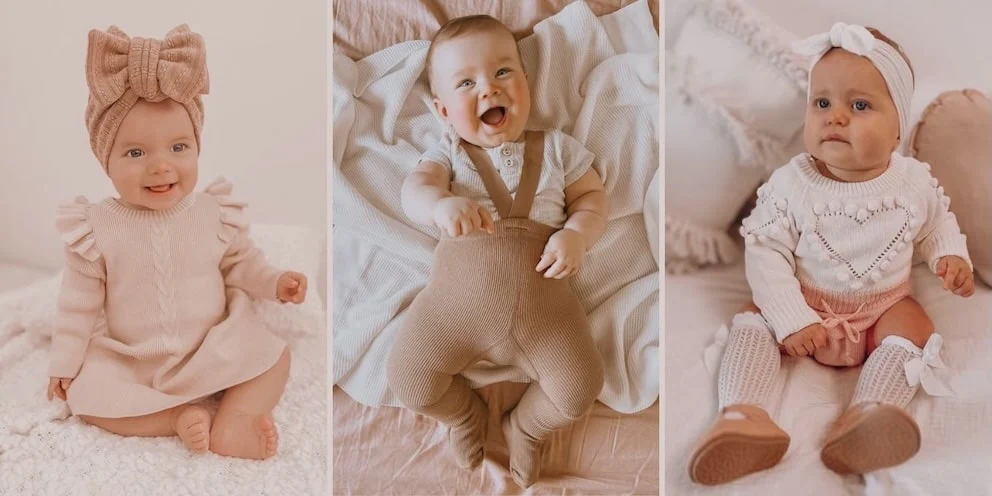
Choosing clothes for infants and toddlers is never a simple task. Each piece should serve both comfort and function. Babies grow quickly, and their clothes must grow with them in purpose and practicality. Soft seams, easy fastenings, stretchable waistbands, and breathable fabrics make a visible difference.

When shopping for newborn clothes Australia, you must consider the regional climate, wash durability, and how each piece interacts with a baby’s skin. Boys’ clothing, especially bottoms, needs to match their movements and changing size. This is where boys leggings stand out. They offer ease, flexibility, and a soft grip that adapts to everyday motion.

In this guide, we explore practical insights into newborn dressing and toddler wear. The focus remains on quality, usability, and long-term comfort without promoting any labels or collections.

Understanding Newborn Clothing Requirements

Babies are more sensitive than we realize. Their clothes must not just fit well—they must protect against irritants, allow skin to breathe, and adapt to how they move. Materials with natural stretch and flat seams are not a luxury. They are a need.

In Australia, warm seasons dominate much of the year. Clothes that trap heat or prevent airflow make babies uncomfortable and lead to rashes. That’s why choosing items with lightweight fabric and open design is critical.

Every newborn wardrobe must include the following:

  • Full-length onesies for nighttime or cooler rooms
  • Soft wrap shirts for easy changes
  • Elastic-bottom pants for flexible leg space
  • Fold-over cuffs to protect tiny hands from scratching
  • Snap buttons that open fully for diaper changes

When selecting newborn clothes in Australia, you must think beyond the look. Prioritize how it feels and how easily it fits into the parent’s routine.

How Leggings Support Toddler Movement

As babies grow into toddlers, their physical needs change fast. Sitting becomes crawling. Crawling becomes standing. Then comes walking, bending, and falling. Pants must stretch in every direction without sagging or limiting motion.

This is why boys leggings are practical. Unlike stiff jeans or loose shorts, leggings grip the legs gently. They follow the child’s motion. The waistband should hug the body without folding or pressing. This keeps the garment secure while avoiding red marks or friction points.

These leggings are ideal for layering as well. They work under longer shirts, tunics, or jumpers. They help on colder days and double up as sleepwear if needed. More importantly, they stay in place, something many loose or baggy options fail to do.

Boys who love moving need clothes that move with them. Leggings make daily dressing easier and safer.

Practical Tips for Choosing Newborn Clothes

Not every cute outfit is usable. Parents must look for clothes that work with daily life. Here are key things to keep in mind:

  • Choose stretchable collars that don’t press the neck
  • Avoid harsh tags that scratch or irritate
  • Select items with strong but soft stitching
  • Check for full-opening fronts for easy dressing
  • Prefer wide leg openings for quick changes
  • Look for smooth waistbands without extra layers

Newborn clothes in Australia must match both baby needs and parental convenience. Think of the piece as part of a full-day routine. If it takes effort to wear or remove, it is not worth keeping.

Style Meets Function in Boys Leggings

Leggings have earned their space in every toddler’s wardrobe. Their slim fit, lightweight feel, and complete stretch make them ideal for active boys.

Key reasons leggings support comfort and movement:

  • They never bunch at the knees or waist
  • Soft seams prevent chafing during play
  • Elastic waist fits over diapers or briefs
  • Fabric moves with squatting, jumping, or crawling
  • Easy to pull on or remove in seconds
  • Layer well under other clothes in cooler months

Boys leggings work for daywear, naptime, and mild outings. They adjust with your child’s changing energy levels. Their stretch stays strong even after frequent washes.

Dressing in Layers: What Parents Should Know

The weather in Australia varies more than people think. A warm morning can shift into a breezy afternoon. Dressing your child in layers helps manage body temperature without frequent wardrobe changes.

Start with a soft base like a bodysuit or tee. Add leggings or flexible pants. Top it with a jacket or jumper that can be removed as needed. When indoors, remove layers to prevent overheating. At bedtime, adjust the fabric weight based on room temperature.

Newborns and toddlers cannot always express discomfort. But the right layering helps avoid both chills and heat build-up. Choosing clothes that layer easily makes this process much smoother.

Mistakes to Avoid When Shopping for Young Kids

Clothing for children is not about trends. It is about safety, softness, and simplicity. Many shoppers overlook this and focus on colors, prints, or matching sets.

Avoid these common mistakes:

  • Buying tight necklines that make dressing harder
  • Choosing rough inner seams that cause marks
  • Picking overly thick items for mild climates
  • Using drawstrings or unsafe embellishments
  • Buying tight leggings that reduce leg circulation
  • Ignoring stretch recovery after washes

If an item causes discomfort once, it will likely repeat. Make comfort the deciding factor before price, print, or design.

Everyday Essentials for Newborns and Toddlers

Building a small, useful wardrobe takes planning. You do not need a dozen outfits. You need reliable ones that hold their shape, clean easily, and make dressing smoother.

Essentials include:

  • Four to six full-length onesies
  • Two to three wrap-around shirts
  • Four pairs of soft leggings or stretch pants
  • A couple of warm layers like sweaters or zip-up tops
  • Light hats and socks depending on the season

This small mix covers both indoor and outdoor use. Items that work across multiple uses are the best value in terms of comfort and cost.

Final Thoughts on Comfort and Practical Style

Newborns need clothing that respects their skin and supports their early development. Toddlers need freedom of movement and gentle grip. Newborn clothes in Australia should reflect the climate, household habits, and daily demands of growing children.

Boys leggings support movement, resist wear, and adapt to both quiet time and active play. They stay in shape and make life easier for parents who dress their kids multiple times a day.

Smart choices in early clothing make a visible difference in the comfort and routine of young families. Keep it simple. Keep it soft. Let each piece earn its place by how well it works.

Discovering a barbershop that genuinely understands your unique hair texture can be a transformative experience. Every individual’s hair is different, with its characteristics, challenges, and beauty. Whether you have tight curls, wavy locks, or straight hair, finding a barbershop specializing in your specific hair type can make all the difference in achieving your desired look.

The journey to finding the right barbershop begins with understanding your hair. Each hair type requires different cutting techniques, styling approaches, and maintenance strategies. This self-awareness is the first step in finding a barbershop that caters to your needs.

Social media and online platforms have become invaluable resources in the search for the perfect barbershop. Instagram, Yelp, and specialized hair care forums can provide insights into local barbershops that excel with specific hair textures. Look for stylist portfolios that showcase diverse hair types and styles. Pay attention to before-and-after photos that demonstrate the barber’s skill with hair similar to yours.

Word of mouth remains one of the most powerful tools in finding a specialized barbershop. Contact friends, family, or colleagues with similar hair textures and ask about their go-to barbershops. Community recommendations can provide authentic insights that online reviews might miss. Local hair care groups on social media platforms can be treasure troves of recommendations and personal experiences.

barbershop

Uptown Dallas Barbershop is known for its focus on specialized hair care. Their team of skilled professionals understands that hair is more than just a style – it’s a personal expression. They offer tailored services catering to hair textures, ensuring each client receives personalized attention. From precision cuts to understanding the unique needs of different hair types, Uptown Dallas Barbershop demonstrates how a genuinely specialized approach can elevate the barbershop experience.

Consultation is key when searching for the right barbershop. Many top-tier establishments offer initial consultations where you can discuss your hair type, concerns, and desired style. This is an opportunity to assess the barber’s knowledge and expertise. A skilled professional should be able to provide specific advice about caring for and styling your particular hair texture, demonstrating both technical skill and deep understanding.

Technology has made researching and connecting with specialized barbershops easier than ever. Many now offer virtual consultations, allowing you to discuss your hair needs before booking an appointment. Look for barbershops that use advanced cutting techniques and stay updated on the latest trends and technologies specific to different hair textures. This commitment to continuous learning strongly indicates a barbershop specializing in diverse hair types.

Uptown Dallas Barbershop exemplifies the gold standard of specialized hair care. Their approach goes beyond simple cutting – they provide a holistic experience that celebrates individual hair textures. From the moment you walk in, you’ll notice their commitment to understanding each client’s unique hair characteristics. They offer expert advice on maintenance, styling, and hair health, ensuring you leave with a great cut and the knowledge to maintain your look.

The right barbershop can be a game-changer in your personal grooming routine. It’s about more than just a haircut – finding a place that understands and celebrates your hair texture. Take your time, research, and don’t be afraid to ask questions. The perfect barbershop is out there, waiting to help you look and feel your best.

Success depends mostly on leaving a lasting impression. Whether you’re getting ready for a particular party or dressed for a business conference, custom creations are essential in improving your appearance. Customized solutions guarantee that you stand out in the crowd and project elegance and confidence on every occasion. Custom designs highlight the greatest version of you whether your search is for the ideal suit for a business conference or gorgeous attire for a personal celebration. A bangkok suit tailor may assist in creating the correct appearance that accentuates your body and style exactly. Let’s explore how customized clothes enhance your wardrobe and provide the ideal fit for any occasion.

Business Attire: Excellent Initial Impression

Regarding business wear, proper fit is vital. A custom suit is more than simply clothes; it’s a necessary component of your professional image. All-in-one comfort, sharpness, and style are provided by a custom-made suit. Perfect cut, fabric, and details guarantee that you will look put together and ready for whatever obstacles arise. From meetings to conferences, a well-fitting outfit creates credibility and power, thereby enabling you to influence the business positively.

Perfectly customized trends

Special Events: Getting Ready for Moments That Count

For personal events including weddings, anniversaries, or significant social gatherings, customized attire lends a little elegance and distinctiveness. Whether you’re the guest of honour or just there, donning something unique adds even more significance to the event. Customized clothing lets you select fabrics, colours, and design features that capture your style, therefore enhancing your appearance. Custom clothes guarantee you look and feel your best; these events are too crucial to settle for less than perfection.

The Comfort of Custom Fit

The unmatched comfort customized clothing offers is among its most important benefits. Not always fitting your body exactly, ready-to-wear clothes could cause discomfort all day. Custom items, on the other hand, are created with your body dimensions in mind so you may move freely and comfortably and yet appear fashionable. Comfort is just as crucial as appearance whether you are dancing at a party or going to a conference; fitted clothes provide the ideal mix.

Custom designs make all the difference, whether your celebration of a milestone or your outfit for business. Choosing materials, designs, and cuts that fit you exactly not only improves your look but also your confidence. Ensuring that you always present yourself for success, a bangkok suit tailor can assist realize your vision. Customized apparel is a solution that combines comfort, style, and uniqueness, therefore transforming any occasion into one to remember.

Planning a wedding is an exciting journey, and every bride wants to look her absolute best on the big day. One crucial element of achieving that bridal glow is hiring the right makeup artist. However, when it comes to payments and contracts with your makeup artist, it’s essential to navigate this aspect carefully to ensure a smooth and stress-free experience. In this Bride’s Manual, we’ll guide you through the process of handling payments with your makeup artist, ensuring you get the look you desire while maintaining transparency and professionalism.

Research and Book the Right Makeup Artist:

Before diving into payment discussions, it’s crucial to find a makeup artist who aligns with your style, vision, and budget. Start by researching makeup artists in your area, checking their portfolios, and reading reviews. Once you’ve narrowed down your choices, schedule consultations to discuss your expectations and preferences. During this phase, make sure you understand their pricing structure and any additional fees.

Initial Deposit:

After selecting your makeup artist, the first step is usually to secure your date by paying an initial deposit. This deposit serves as a commitment fee and ensures that your makeup artist reserves your wedding day exclusively for you. Typically, this deposit ranges from 20% to 50% of the total cost, depending on the artist’s policies. Be sure to ask about their refund and rescheduling policies in case of unexpected changes.

Discuss the Pricing Structure:

Make sure you have a clear understanding of the makeup artist’s pricing structure. This should include details about what’s included in the package, such as a trial session, bridal party makeup, travel fees, and any additional costs for touch-ups or extended hours. Knowing the full scope of services and their associated costs will help you avoid unexpected surprises later.

Contract Agreement:

A written contract is essential to protect both you and your makeup artist. It should outline all the details of the services, payment schedule, and any cancellation or rescheduling policies. Make sure you carefully review the contract and ask questions if anything is unclear. Your makeup artist should be open to making adjustments as needed to ensure both parties are comfortable.

Payment Schedule:

Determine the payment schedule that works best for both you and your makeup artist. Many makeup artists request that the balance be paid in full a few weeks before the wedding day. Ensure that you stick to the agreed-upon payment deadlines to avoid any last-minute hassles. Consider using secure payment methods like bank transfers or credit cards for added financial security.

Tips and Gratuity:

Tipping your makeup artist is a customary practice to show appreciation for their hard work. While it’s not obligatory, it’s a thoughtful gesture. The standard tip for makeup artists is around 15-20% of the total service cost. You can give this directly to your artist on the wedding day or include it in their final payment.

Communication:

Open and honest communication is key throughout this process. If you have any concerns or changes to your plans, discuss them with your makeup artist promptly. They will appreciate your transparency, and it will help maintain a positive working relationship.

Navigating payments with your makeup artist doesn’t have to be a daunting task. By following these steps and maintaining clear communication, you can ensure that your wedding makeup experience is as smooth as possible. Remember that a well-organized payment process is just one piece of the puzzle in achieving your dream bridal look. With the right makeup artist by your side, you’ll radiate beauty and confidence on your special day.

This post was written by a professional at Michele Renee The Studio. https://michelereneethestudio.com/ in airbrush makeup application and hair styles. Based in Tampa, FL, we serve a global client base for weddings, boudoir, corporate, film, television, social events, photo shoots, and more! Contact us now to schedule your appointment for your wedding hair and makeup!